


Antoaneta Valkanova
University of National and World Economy, Sofia, Bulgaria
Zornitsa Yordanova
University of National and World Economy, Sofia, Bulgaria
https://doi.org/10.53656/igc-2025.23

Pages 249-260
Abstract. T
Artificial intelligence (AI) is increasingly used in employer branding through chatbots, predictive screening and personalised digital campaigns. While these tools improve efficiency and candidate engagement, they also raise concerns about authenticity, privacy and algorithmic fairness. Based on 15 interviews with HR and employer-branding experts across 12 countries and industries, the findings reveal a paradox: AI enhances responsiveness and reach, yet excessive automation risks eroding trust and authenticity. The paper proposes a framework for responsible AI adoption that balances efficiency with transparency and ethical safeguards.
Keywords: employer branding; artificial intelligence (AI); ethical dilemmas; human resource management (HRM); talent attraction
JEL: M12, M31, J24
Introduction
Artificial intelligence (AI) is rapidly transforming human resource management (HRM) from a back-office support function into a strategic driver of organizational competitiveness. In recruitment and employer branding, AI-driven chatbots, predictive screening algorithms, and personalized digital campaigns are no longer experimental add-ons but integral components of talent acquisition systems (Allal-Chérif et al., 2021; Ore & Sposato, 2022). These technologies promise to streamline processes, enhance candidate engagement, and project a modern, innovative employer image (Pandey, 2023; Yoganathan et al., 2021). At the same time, high-profile debates on algorithmic discrimination, data privacy, and the erosion of authenticity in corporate communication (Jonsen et al., 2019) highlight that AI adoption in HR is as much an ethical and reputational challenge as it is a technological one.
Research on employer branding has traditionally focused on communication channels, value propositions, and employee advocacy (Backhaus & Tikoo, 2004; Ambler & Barrow, 1996). Recent studies extend this lens to digital and AI-enabled environments, examining the effects of virtual reality, automated messaging, and algorithm-driven personalization on employer attractiveness and candidate perceptions (Alcañiz et al., 2019; Appel et al., 2020; Priyadarshini et al., 2017). However, most empirical work to date has been quantitative and focused on single technologies or specific markets, leaving unanswered how practitioners themselves experience the opportunities and vulnerabilities of AI in employer branding across diverse industries and countries. Moreover, while AI is often framed as an efficiency enhancer, less is known about its unintended consequences for trust, fairness, and authenticity – dimensions central to the employer-candidate relationship (Pasternak et al., 2017; Puncheva-Michelotti et al., 2018). This gap is salient because candidates are increasingly sensitive to how organisations collect, store, and use their personal data, and because reputational crises stemming from algorithmic bias or opaque processes can erode employer brand equity (Williamson et al., 2010; Pološki Vokić et al., 2023).
Against this backdrop, this paper seeks to deepen understanding of the dual role of AI in employer branding by exploring the perceptions of senior HR and employer branding professionals across industries and geographies. Specifically, it addresses the following research questions (RQ): RQ1: What opportunities do HR and employer branding professionals perceive in adopting AI-driven tools for talent attraction?; RQ2: What ethical dilemmas and risks – related to authenticity, privacy, and algorithmic fairness – emerge from their use of AI in employer branding?; RQ3: How can organisations balance efficiency gains with authenticity and ethical safeguards to ensure responsible AI adoption in employer branding?
By qualitatively analysing 15 in-depth interviews with senior professionals from twelve countries, the study contributes to the literature by providing cross-sectoral evidence on how AI simultaneously enhances and threatens employer brand credibility. The findings culminate in a conceptual framework for responsible AI adoption in employer branding, offering actionable insights for HR managers, branding specialists, and policymakers navigating digital talent attraction strategies.
Theoretical Background
Existing Studies on AI in Recruitment and Employer Branding
The use of artificial intelligence (AI) in human resource management has expanded from operational automation to strategic domains such as recruitment and employer branding. AI-driven platforms and predictive analytics are increasingly employed to identify, screen and engage candidates efficiently and at scale (Allal-Chérif et al., 2021; Ore & Sposato, 2022). Such tools improve responsiveness and enable organizations to present themselves as innovative employers (Allen et al., 2007; Ambler & Barrow, 1996; Alves et al., 2020). Employer-branding literature confirms a shift from traditional communication to digital and AI-enabled practices (Backhaus & Tikoo, 2004; Pandey, 2023; Najam et al., 2022). VR, chatbots and algorithmic personalization have been explored as ways to improve candidate experience and strengthen employer brand attractiveness (Alcañiz et al., 2019; Appel et al., 2020). Social-media competence and online social capital further reinforce talent attraction, especially among younger audiences (Yoganathan et al., 2021; Priyadarshini et al., 2017). Collectively, these studies show that AI functions as a branding mechanism shaping external perceptions and influencing talent attraction (Wilden et al, 2010; Joglekar & Tan, 2022; Nazish et al., 2023). However, this shift brings new risks and tensions.
Ethical Issues, Authenticity and Candidate Trust
While AI offers efficiency, its use raises ethical challenges regarding transparency, privacy, bias and authenticity (Amine et al., 2013). Algorithmic decision-making can reinforce discrimination if historical data reflect bias (Jonsen et al., 2019). Excessive automation also risks weakening the human connection required for authentic employer–candidate relationships (Pasternak et al., 2017; Panneerselvam & Balaraman, 2022). Candidates are particularly sensitive to how personal data are collected and used in digital recruitment (Pasternak et al., 2017; Parry & Wilson, 2009). Over-reliance on automated messaging or chatbots may reduce credibility and trust (Walker et al., 2009; Williamson et al., 2010). Research increasingly links ethical AI adoption with internal employer-branding practices: transparent communication, employee advocacy and alignment with CSR initiatives help mitigate reputational risks (Puncheva-Michelottiet et al., 2018; Pološki Vokić et al., 2023). Overall, the literature suggests that sustaining candidate trust requires balancing technological advantages with ethical safeguards and authentic engagement (Pandey, 2023; Ore & Sposato, 2022).
Methodology
This study employed a qualitative research design to gain in-depth understanding of how artificial intelligence (AI) is perceived and utilized within employer branding practices. Because the research question sought to explore experiences, perceptions and dilemmas rather than test predetermined hypotheses, semi-structured interviews were chosen as the primary data collection method.
A purposive sampling approach was used to select informants with direct and recent experience in employer branding and HR technology adoption. Fifteen senior HR and employer branding professionals participated. They represented twelve countries across Europe, the Middle East, Asia–Pacific and North America and worked in diverse industries including online gaming, global retail, renewable energy, pharmaceuticals, and HR tech service providers. This heterogeneity allowed for rich variation in perspectives on AI implementation across sectors and cultural contexts. Participants were identified through professional networks, industry events, and LinkedIn searches, and were invited via email. Inclusion criteria required that respondents held decision-making or advisory responsibility for employer branding or recruitment activities in organizations that had piloted or implemented at least one AI-enabled tool (such as chatbots, predictive analytics, or algorithmic screening).
An interview guide was developed from the literature review and pilot-tested with two experts before fieldwork. It covered four broad themes: (1) types of AI tools used in employer branding, (2) perceived benefits and opportunities, (3) perceived risks and ethical concerns, and (4) organisational policies or safeguards. Interviews lasted between 45 and 75 minutes, were conducted via video conferencing, and were audio-recorded with consent.
Data were analysed using reflexive thematic analysis (Braun & Clarke, 2006, 2020). Audio files were transcribed verbatim and anonymised. Both authors independently conducted initial open coding, followed by axial coding to identify relationships among codes. Through iterative discussion, codes were grouped into higher-order themes such as “efficiency gains,” “authenticity dilemmas,” “privacy and data ethics,” and “trust-building strategies.” NVivo software supported data management and facilitated cross-case comparison. To enhance rigour, the researchers maintained an audit trail of coding decisions and used peer debriefing to refine the theme structure.
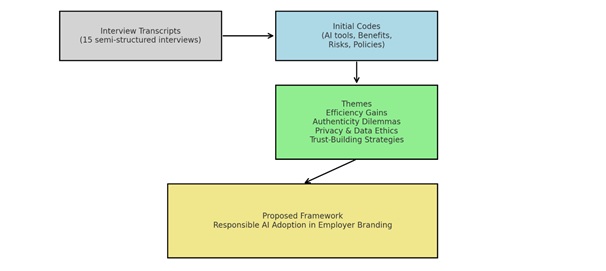
Figure 1. Coding Process and Emergent Themes Leading to the Proposed Framework
Source: authors’ elaboration based on interview data (2025).
Figure 1 illustrates the progression from raw interview data through initial coding and theme development to the formulation of the proposed framework for responsible AI adoption in employer branding.
Results and Discussion
The thematic analysis of 15 semi-structured interviews with senior HR and employer branding professionals yielded four interrelated themes: (1) Efficiency and Reach, (2) Authenticity Dilemmas, (3) Privacy and Algorithmic Ethics, and (4) Trust-Building Strategies. Together, these themes depict what we term the “AI Paradox in Employer Branding”—the simultaneous enhancement and erosion of employer brand credibility through artificial intelligence.
Efficiency and Reach
Interviewees across all industries reported substantial gains in speed, scalability, and data-driven insights after adopting AI tools. Chatbots, automated screening, and predictive analytics reduced administrative burden and shortened time-to-hire, allowing HR teams to focus on higher-value interactions. As one participant from the renewable energy sector explained, “our AI system cut the initial screening process from two weeks to two days and our candidate drop-off rate plummeted.” These findings echo earlier studies on AI-enabled recruitment efficiency (Allal-Chérif et al., 2021; Ore & Sposato, 2022) but extend them by showing how efficiency itself becomes part of the employer brand—signalling innovativeness, responsiveness, and a modern candidate experience (Pandey, 2023).
Authenticity Dilemmas
Despite these benefits, 12 of the 15 interviewees explicitly warned that over-automation can undermine authenticity and human connection. Automated messaging and algorithmic recommendations risk making employer branding feel impersonal or “scripted,” particularly in cultures where relational cues are paramount. This concern resonates with research on the tension between personalization and perceived credibility in digital recruitment (Walker et al., 2009; Pasternak et al., 2017). The results suggest a threshold effect: AI strengthens brand authenticity up to the point where candidates perceive the organisation as “tech-driven but still human,” but beyond that point trust erodes.
Privacy and Algorithmic Ethics
A third theme concerned data privacy and algorithmic bias. Interviewees across regions cited candidate concerns about how data were collected, stored, and used, particularly in jurisdictions with stricter data-protection regimes. Several respondents in global retail and pharma reported internal audits after external criticism of algorithmic bias. These observations confirm the ethical dilemmas described in the literature (Jonsen et al., 2019) and show that reputational risk is no longer hypothetical but already materializing. Interestingly, interviewees did not reject AI outright; instead they advocated for clearer disclosure, third-party validation of algorithms, and diversity audits to safeguard fairness.
Trust-Building Strategies
To offset these risks, many organisations are experimenting with hybrid approaches—combining AI-driven efficiency with deliberate “human touchpoints.” Examples include follow-up calls by recruiters after chatbot interactions, transparent “how we use your data” messages, and allowing candidates to opt out of automated screening. Such practices align with recommendations for integrating internal employer branding, CSR communication, and employee advocacy to sustain candidate trust (Puncheva-Michelotti et al., 2018; Pološki Vokić et al., 2023).
Interpreting the AI Paradox
Taken together, the findings support and enrich the theoretical notion of the AI Paradox in Employer Branding. Efficiency gains and brand modernity come at the potential cost of authenticity, privacy, and fairness. This paradox reframes employer branding as not only a marketing function but also a governance and ethics function. In other words, AI tools simultaneously become instruments of differentiation and sources of reputational vulnerability.
Implications for Theory and Practice
For theory, these results extend existing models of employer branding (Backhaus & Tikoo, 2004; Ambler & Barrow, 1996) by integrating technological literacy, ethical safeguards, and human–AI complementarity as core dimensions of brand credibility. For practice, the study suggests that HR managers should adopt a “responsible AI” lens—assessing not only cost and speed but also candidate perceptions of fairness, privacy, and authenticity at each stage of the funnel. Boards and policymakers can use these insights to set standards for transparent AI adoption in recruitment and employer branding.
Table 1. Emergent Themes, Illustrative Quotes and Managerial Implications of AI Adoption in Employer Branding
| Theme | Illustrative Quotes (Interviewees) | Managerial Implications |
| Efficiency and Reach | “Our AI system cut the initial screening process from two weeks to two days and our candidate drop-off rate plummeted.” (Renewable energy, Europe) “The chatbot answers 80% of applicant questions instantly – we don’t lose people anymore.” (Online gaming, Asia-Pacific) | Position AI-enabled recruitment as a brand differentiator; communicate efficiency benefits externally; redeploy HR time to high-value human interactions. |
| Authenticity Dilemmas | “Sometimes the messages feel scripted; candidates say it’s like talking to a machine, not a company.” (Retail, North America) “We lost some personal touch when we automated our pre-screening completely.” (Pharma, Europe) | Calibrate the level of automation to preserve a “tech-driven but still human” image; design human touchpoints after automated interactions. |
| Privacy and Algorithmic Ethics | “We had to pause an algorithm after complaints about bias in language scoring.” (Global retail, Europe) “Candidates ask how we use their data – we need to explain more.” (HR tech provider, Middle East) | Implement transparent data-use policies; conduct bias audits; integrate privacy statements into employer branding communication. |
| Trust-Building Strategies | “We follow up every chatbot conversation with a call from a recruiter – that reassures people.” (Pharma, Europe) “We allow candidates to opt out of automated screening – it builds trust.” (Renewable energy, North America) | Develop hybrid AI–human processes; make data and algorithm use explicit; use internal employer branding and CSR communication to reinforce trust. |
Table 1 summarises the four main themes derived from the interview analysis, provides representative quotations to illustrate each theme, and highlights the corresponding managerial implications. By juxtaposing practitioner voices with actionable recommendations, the table makes explicit how the opportunities and ethical dilemmas of AI in employer branding translate into concrete decisions for organisations.
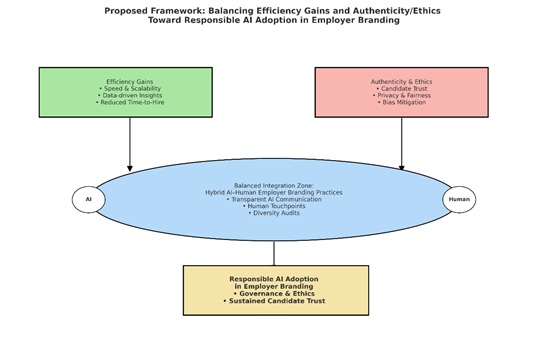
Figure 2. Proposed Framework for Balancing Efficiency Gains and Authenticity/Ethics Toward Responsible AI Adoption in Employer Branding
Source: authors’ elaboration based on interview data (2025).
Figure 2 visualises the framework derived from the interview analysis. The two top clusters represent the dual forces driving AI use in employer branding: efficiency gains (speed, scalability, data insights) and authenticity/ethics (trust, privacy, fairness). The blue “integration zone” shows how organisations can combine these forces through hybrid AI–human practices such as transparent communication, human touchpoints, and diversity audits. Together these elements lead to the khaki box at the bottom – responsible AI adoption in employer branding—highlighting the path from opportunities and dilemmas to balanced, ethical implementation.
Future Research Directions
Because this study is qualitative, future research could test the proposed framework quantitatively across different labour markets, investigate longitudinal effects of AI adoption on employer brand equity, and explore candidate perspectives directly. Such studies would validate and refine the propositions emerging from this interview-based analysis.
Conclusion
This study examined how senior HR and employer branding professionals perceive the opportunities and ethical dilemmas of using artificial intelligence (AI) in talent attraction. Drawing on 15 interviews across twelve countries, it reveals an AI paradox: while AI tools enhance efficiency, reach and data-driven insights, they simultaneously create risks to authenticity, privacy, fairness and candidate trust.
Existing research largely confirms these tensions. Recent studies show that AI and digital data can improve recruitment outcomes but elicit heterogeneous candidate reactions (Tursunbayeva et al., 2025), that diversity and inclusion guidelines are essential to avoid bias in AI hiring systems (Bano et al., 2024), and that transparency and human – AI collaboration mitigate negative outcomes such as perceived unfairness (Sadeghi, 2024). Yet most prior work is either quantitative or single country.
This paper contributes a qualitative, cross-industry, cross-country perspective and proposes a framework for responsible AI adoption in employer branding, integrating efficiency with authenticity and ethical safeguards. For practitioners, the findings highlight the need to calibrate automation, implement bias audits and maintain human touchpoints to sustain employer brand credibility. Future research should test this framework quantitatively and incorporate candidate perspectives. By mapping both the promise and the perils of AI in employer branding, this study offers a roadmap for organisations to harness AI as a force for innovation and trust. These findings resonate with Sterev and Biolcheva’s (2024) model for measuring the indirect added value of AI in business, which likewise underscores the importance of cognitive and motivational factors in shaping AI’s reputational and competitive impact – this paper extends that insight into the domain of employer branding, showing how such factors also mediate authenticity, trust, and ethical considerations in talent attraction (Sterev & Biolcheva, 2024). Future studies could test the proposed framework quantitatively with candidate-side data, examine cross-country differences in AI ethics regulations, and explore longitudinal effects of AI adoption on employer brand equity. Future research could use a mixed-methods design to quantitatively test the ‘AI Paradox’ by measuring candidate perceptions of fairness, authenticity, and employer attractiveness before and after exposure to AI-driven recruitment interactions.
Acknowledgement
This research has been supported by University of National and World Economy, Research program, NID NI 8/2024.
References
Alcañiz, M., Bigné, E., & Guixeres, J. (2019). Virtual reality in marketing: A framework, review, and research agenda. Frontiers in Psychology, 10, 1530. https://doi.org/10.3389/fpsyg.2019.01530.
Allal-Chérif, O., Aránega, A. Y., & Sánchez, R. C. (2021). Intelligent recruitment: How to identify, select, and retain talents from around the world using artificial intelligence. Technological Forecasting and Social Change, 169, 120822. https://doi.org/10.1016/j.techfore.2021.120822.
Allen, D. G., Mahto, R. V., & Otondo, R. F. (2007). Web-based recruitment: Effects of information, organisational brand, and attitudes toward a website on applicant attraction. Journal of Applied Psychology, 92(6), 1696 – 1708. https://psycnet.apa.org/doi/10.1037/0021-9010.92.6.1696.
Alves, P., Santos, V., Reis, I. P., Martinho, F., Martinho, D., Sampaio Correia, M. S. M. C. S., Sousa, M. J., & Au-Yong-Oliveira, M. (2020). Strategic talent management: The impact of employer branding on the affective commitment of employees. Sustainability, 12(20), 9993. https://doi.org/10.3390/su12239993.
Ambler, T., & Barrow, S. (1996). The employer brand. Journal of Brand Management, 4(3), 185 – 206. https://doi.org/10.1057/bm.1996.42.
Amine, M. A., Chakor, A., & Alaoui, A. (2013). Corporate ethical and social responsibility and relationship marketing: A content analysis of the websites of Moroccan commercial banks. International Journal of Business and Management, 8(3), 71 – 102. https://doi.org/10.5539/ijbm.v8n3p71.
Appel, G., Grewal, L., Hadi, R., & Stephen, A. T. (2020). The future of social media in marketing. Journal of the Academy of Marketing Science, 48(1), 79 – 95. https://doi.org/10.1007/s11747-019-00695-1.
Backhaus, K., & Tikoo, S. (2004). Conceptualizing and researching employer branding. Career Development International, 9(5), 501 – 517. https://doi.org/10.1108/13620430410550754.
Bano, M., Zowghi, D., Mourao, F., Kaur, S. and Zhang, T., 2024. Diversity and inclusion in ai for recruitment: Lessons from industry workshop. arXiv. https://doi.org/10.48550/arXiv.2411.06066.
Joglekar, J., & Tan, C. S. (2022). The impact of LinkedIn posts on employer brand perception and the mediating effects of employer attractiveness and corporate reputation. Journal of Advances in Management Research, 19(4), 624 – 650. https://doi.org/10.1108/JAMR-10-2021-0343.
Jonsen, K., Point, S., Kelan, E. K., & Grieble, A. (2019). Diversity and inclusion branding: A five-country comparison of corporate websites. The International Journal of Human Resource Management, 32(3), 616 – 649. https://psycnet.apa.org/doi/10.1080/09585192.2018.1496125.
Najam, Z., Nisar, Q., Hussain, K., & Nasir, S. (2022). Enhancing employer branding through virtual reality: The role of E-HRM service quality and HRM effectiveness in the hotel industry of Pakistan. Asia-Pacific Journal of Innovation in Hospitality and Tourism, 11(2), 69 – 89.
Nazish, A., Mehboob, S. A. A., Haider, S., & Khan, A. (2023). Exploring the role of human resource management practices in the nexus of internal and external employer branding. Middle East Journal of Management, 10(1), 51 – 71. https://doi.org/10.1504/MEJM.2023.127767.
Ore, O., & Sposato, M. (2022). Opportunities and risks of artificial intelligence in recruitment and selection. International Journal of Organizational Analysis, 30(6), 1771 – 1782. https://doi.org/10.1108/IJOA-07-2020-2291.
Pandey, N. (2023). Future of employer branding in the era of Bard, ChatGPT, metaverse and artificial intelligence. NHRD Network Journal, 16(3), 258 – 268. https://doi.org/10.1177/26314541231170434.
Panneerselvam, S., & Balaraman, K. (2022). Employee experience: The new employee value proposition. Strategic HR Review, 21(6), 201 – 207. https://doi.org/10.1108/SHR-08-2022-0047.
Parry, E., & Wilson, H. (2009). Factors influencing the adoption of online recruitment. Personnel Review, 38(6), 655 – 673. https://doi.org/10.1108/00483480910992265.
Pasternak, O., Veloutsou, C., & Morgan-Thomas, A. (2017). Self-presentation, privacy and electronic word-of-mouth in social media. Journal of Product & Brand Management, 26(4), 415 – 428. https://doi.org/10.1108/JPBM-04-2016-1150.
Pološki Vokić, N., Tkalac Verčič, A., & Sinčić Ćorić, D. (2023). Strategic internal communication for effective internal employer branding. Baltic Journal of Management, 18(1), 19 – 33. https://doi.org/10.1108/BJM-02-2022-0070.
Priyadarshini, C., Kumar, Y. L. N., & Jha, R. R. (2017). Employer attractiveness through social media: A phenomenological study. The Qualitative Report, 22(4), 969 – 983.
Puncheva-Michelotti, P., Hudson, S., & Jin, G. (2018). Employer branding and CSR communication in online recruitment advertising. Business Horizons, 61(4), 643 – 651. https://doi.org/10.1016/j.bushor.2018.04.003.
Sadeghi, S. (2024). Employee well-being in the age of AI: Perceptions, concerns, behaviors, and outcomes. International Journal of Social and Business Sciences, 18(9).
Sterev, N., & Biolcheva, P. (2024). Defining cognitive, behavioural and environmental factors in enhancing the value of artificial intelligence in business. Strategies for Policy in Science & Education, 32(6s), 11 – 24. https://doi.org/10.53656/str2024-6s-1-def.
Tursunbayeva, A., Fernandez, V., Gallardo-Gallardo, E. & Moschera, L. (2025). Artificial intelligence and digital data in recruitment. Exploring business and engineering candidates’ perceptions of organizational attractiveness. European Management Journal, 44(2), 235 – 244. https://doi.org/10.1016/j.emj.2025.03.002.
Walker, H. J., Feild, H. S., Giles, W. F., Achilles, A., Armenakis, A., & Bernerth, J. B. (2009). Displaying employee testimonials on recruitment websites. Journal of Applied Psychology, 94(5), 1354 – 1364. https://psycnet.apa.org/doi/10.1037/a0014964.
Wilden, R., Gudergan, S., & Lings, I. (2010). Employer branding: Strategic implications for staff recruitment. Journal of Marketing Management, 26(1 – 2), 56 – 73. https://doi.org/10.1080/02672570903577091.
Williamson, I. O., King, J. E., Lepak, D., & Sharma, A. (2010). Firm reputation, recruitment websites, and attracting applicants. Human Resource Management, 49(4), 669 – 687. https://doi.org/10.1002/hrm.20379.
Yoganathan, V., Osburg, V., & Bartikowski, B. (2021). Building better employer brands through employee social media competence and online social capital. Psychology & Marketing, 38(3), 524 – 536. https://doi.org/10.1002/mar.21451.
Antoaneta Valkanova, PhD Student
Industrial Business
University of National and World Economy
19, December 8th St.
1700 Sofia, Bulgaria
E-mail: antoaneta.valkanova@unwe.bg
Assoc. Prof. Zornitsa Yordanova, PhD
ORCID iD: 0000-0002-6056-8445
Industrial Business
University of National and World Economy
19, December 8th St.
1700 Sofia, Bulgaria
E-mail: zornitsayordanova@unwe.bg

Свързани статии:
 PROSPECTS AND CHALLENGES FOR THE BULGARIAN ECONOMY IN THE CONTEXT OF FULL MEMBERSHIP IN THE EUROZONE
THE APPLICATION OF ARTIFICIAL INTELLIGENCE IN HUMAN RESOURCE MOTIVATION
PREDICTION OF MARKET REGIME CHANGES USING MACHINE LEARNING MODELS
THE IMPACT OF TECHNOLOGICAL INNOVATIONS ON ATTRACTING NEW AUDIENCES IN CULTURAL ORGANIZATIONS
