



Zoran Čekerevac, Lyudmila Prigoda, Milanka Bogavac
MESTE – Belgrade, Belgrade, Serbia
FSBEI HE “Maikop State Technological University”, Maykop, Russia
Independent researcher, Belgrade, Serbia
https://doi.org/10.53656/isct-2025.06

Pages 60-77
Abstract. Multi-fuel supply stations represent infrastructural nodes characterized by high technical complexity and elevated safety risks, particularly in the context of transitioning to alternative fuels such as hydrogen, LNG, and CNG. This paper examines the principles of design and hazardous area classification from a consequence-based perspective, where safety measures are determined by the potential impact of incidents, rather than their likelihood of occurrence. Key functional safeguards are presented, including leak detection systems with automated responses, overfill protection technologies, and explosion-resistant structural components, all of which are coupled with the geometric organization of risk zones when handling flammable gases. Special attention is devoted to the global regulatory imbalance, comparing standards and legal frameworks across the EU, the United States, Japan, China, and Australia. The observed fragmentation hinders equipment harmonization and increases certification costs. This underscores the urgent need to establish universal minimum technical requirements. The paper concludes with proposals for further development, including incident scenario simulations, experimental thermal analyses, and evaluation of fire service preparedness as an integral component of the certification process. Supply stations must evolve into spaces of deliberate precision-rather than improvisation.
Keywords: Multi-fuel supply infrastructure; consequence-based zoning; technical safety standards; energy transition risks; risk mitigation strategies
1. Introduction: Energy Transition and Technical Fragmentation in the Road Transport Sector
Europe is undergoing an energy transition marked by intensified regulatory pressures, geopolitical constraints, and increasing technical fragmentation. Unlike the 1973–74 oil crisis, which was triggered by an externally imposed embargo, the current natural gas crisis in the EU stems from internal political decisions, most notably restrictions on imports from Russia.
Table 1. Average Household Natural Gas Prices in the EU (€/kWh) [1]
| Year | Price (€/kWh) | Note |
| 2020 | ~0.067 € | Stable period before the energy crisis; low demand due to the pandemic |
| 2021 | ~0.09 € | Price increases begin amid geopolitical tensions and CO₂ taxation |
| 2022 | ~0.17 – 0.18 € | Record spike due to the war in Ukraine and disrupted supply chains |
| 2023 | ~0.14 – 0.15 € | Mild stabilization: TTF market prices dropped to €39–52/MWh [2] |
| Late 2024 | ~0.13 € | Post-crisis stabilization, yet still above pre-crisis levels |
| Summer 2025 | ~0.11 – 0.12 € | Seasonal decline and fuller storage capacity [3] |
The year 2020 marked the last phase of low and stable pricing before a series of geopolitical and market factors induced prolonged energy turbulence across the continent.
Table 2. Average Annual Prices of Gasoline (95 Octane) in Selected Countries [4, 5, 6]
| Year | Germany | Bulgaria | Serbia |
| 2020 | 1.15 € | 0.82 € | 1.25 € |
| 2021 | 1.90 € | 1.30 € | 1.40 € |
| 2022 | 2.20 € | 1.74 € | 1.65 € |
| 2023 | 2.02 € | 1.48 € | 1.60 € |
| 2024 | 1.97 € | 1.45 € | 1.61 € |
| 2025 | 1.67 € | 1.23 € | 1.53 € |
A comparative analysis of average annual gasoline prices in Germany, Bulgaria, and Serbia over the same period reveals notable disparities. Germany recorded its highest price point in March 2022 – 1.91 times higher than in 2020 [4]. Bulgaria peaked in July 2022, with prices reaching 2.12 times the 2020 level [5]. Serbia experienced a steady increase until 2022, followed by mild stabilization; the cost per liter in July 2025 is approximately 179 RSD, or about €1.53 [6].
European environmental transition policies have become increasingly stringent, enforced through emissions regulations, bans on internal combustion engines, and elevated tariffs on non-compliant technologies, all of which have been exacerbated by geopolitical tensions. These include trade disputes with the United States and the forecast of a conventional conflict with Russia by the year 2030 [7].
This paradox, between striving for a cleaner atmosphere and preparing for industrial destruction, appears fundamentally illogical. Progress toward sustainability should not be accompanied by a spiral of conflicts that erode the very foundations of environmental advancement.
Simultaneously, vehicle manufacturers are pursuing various adaptive strategies:
- The electric vehicle (EV) sector continues to expand, albeit with challenges related to battery limitations, environmental degradation in mining regions, and geopolitical dependencies on raw materials.
- Hydrogen technologies are gaining momentum, despite hydrogen’s inherent energy deficit between production input and usable fuel output.
- Internal combustion engines (ICEs) are being transformed through hybridization, biofuels, and even six-stroke configurations.
- The United States has reversed course-from supporting EVs to subsidizing conventional powertrains.
Today’s automotive and fuel industries operate in a regime of technical fragmentation. Gasoline, diesel, EV, LPG, CNG, methanol, ammonia, and hydrogen are all available at the same station.
In this mosaic of fuels, supply stations are no longer mere refueling points but complex engineering zones and safety-critical nodes, bearing:
– Risks of explosion and fire stemming from the diverse chemical properties of fuels;
– Requirements for specialized storage, ventilation, and electrical systems;
– Technical protocols that vary depending on the fuel type.
Multi-fuel stations have evolved into energy terminals that integrate high-tech systems within densely populated urban settings.
A critical challenge in designing such stations is the absence of harmonized regulations. Without a coherent international regulatory framework, these facilities are built according to divergent safety philosophies-ranging from minimal spacing and fire-resistant barriers to advanced sensor-based protections.
The European Union lacks fully unified technical standards that are mandatorily enforced across all member states for supply stations handling alternative fuels (EV, H₂, LNG, CNG, LPG). Instead, it relies on a system of harmonized European norms (hEN), which member states may adopt as national standards-but implementation and inspection remain under the jurisdiction of individual countries [8].
EU directives, such as the Alternative Fuels Infrastructure Regulation (AFIR), establish general requirements for infrastructure availability but do not define technical specifics-such as safety distances, barrier types, or zoning protocols.
Harmonized standards, including ISO 16923 (for CNG) [9], ISO 16924 (for LNG) [10], NFPA 2 (for hydrogen-applicable in certain member states) [11], and EN 14678-1 (for LPG) [12], may be adopted at the national level. They are not automatically mandatory across all EU member countries.
Table 3. Regulatory Differences Across Selected Countries
| Country | Regulatory Approach | Remarks |
| Germany | Strict national regulations (TRBS/TRGS) | Requires explosion barriers, leak detection systems, and spacing up to 20 m |
| Bulgaria | hEN standards adopted as BDS national norms | ISO/EN standards applied; enforcement varies locally |
| Serbia | Outside the EU, it relies on standalone ordinances | There is no consolidated regulation for multi-fuel stations |
The table indicates that Germany and the Netherlands impose the strictest requirements, including minimum separation distances of 15 – 20 meters between hydrogen modules and surrounding structures, coupled with mandatory explosion barriers and leak detection systems.
In Bulgarian practice, distances are applied as follows: 6 meters from doors, 8 meters from walls, 10 meters to buildings, and 15 meters to adjacent dispensers. However, no unified national regulation exists that encompasses all types of fuels.
Serbia, outside the EU framework, does not maintain a consolidated regulation for multi-fuel refueling stations. Instead, technical requirements are drawn from individual ordinances relating to electrical equipment, gas installations, and traffic safety. These do not specify safety distances for hydrogen, LNG, or CNG installations.
This regulatory divergence leads to inconsistent safety protocols, thereby complicating station design and risk assessment for multi-fuel infrastructure. In the absence of harmonized standards, designers increasingly rely on a consequence-based approach, defining safety zones according to projected incident scenarios (e.g., 10% seal failure relative to pipe diameter).
2. Relevance of the Topic
The transport sector accounts for approximately 23 – 30% of global CO₂ emissions [13]. Within this segment, road transport contributes around 75%, with passenger four-wheeled vehicles powered by internal combustion engines (ICEs) responsible for 45 – 50% of emissions related to road traffic [14]. Individually, ICE vehicles contribute approximately 10 – 12% of total global CO₂ emissions [14]. Notably, two-stroke motorcycles and tricycles with uncontrolled combustion can emit disproportionately high levels of hydrocarbons and particulate matter compared to modern vehicles equipped with catalytic converters – significantly exacerbating localized pollution in urban environments.
Within the European Union, ICE passenger vehicles produce around 15% of total CO₂ emissions [15]. In 2022, approximately 47% of urban nitrogen oxide (NOₓ) emissions stemmed directly from road transport [16]. Road-related emissions account for roughly 11% of total primary PM emissions, yet up to 75% of PM₁₀ and 59% of PM₂.₅ particles originate from non-exhaust sources (e.g., tire wear, braking, and surface abrasion) [17]. Although EU regulations are progressively tightening permissible emission thresholds, variability in standards and the transition toward electric and alternative propulsion systems leave substantial room for evaluating the real-world impact of this shift.
Studies by the WHO and ICCT confirm that two-stroke engines emit 10–30 times more hydrocarbons and soot per kilometer than modern vehicles fitted with catalytic converters [13, 14]. These emissions include unburned oil and elevated concentrations of fine particulate matter, which contribute to urban air pollution.
The identified emission profiles and distribution of harmful compounds in road transport strongly indicate the need for a gradual transition to environmentally favorable propulsion systems. This shift has led to technological diversification and an increased presence of alternative energy carriers (e.g., EVs, hydrogen, LNG, CNG, biofuels) at refueling stations. Consequently, traditional fuel stations are evolving into multi-fuel hubs, featuring more complex technical infrastructure and heightened safety challenges.
3. Refueling Stations as Critical Infrastructure
Over the past decade, refueling stations have evolved from conventional petrol pumps into technically complex multi-fuel terminals. Beyond traditional fuels such as gasoline, diesel, and LPG, an increasing number of facilities now integrate electric vehicle (EV) charging systems, hydrogen modules, and LNG/CNG reservoirs, thereby redefining both the functional role and safety configuration of these installations.
Station design varies according to anticipated throughput, fuel diversity, and the geographic and urban planning context of the location. Nevertheless, all configurations must ensure safe operation and continuous service delivery to users.
Decades of operational experience with conventional fuels have enabled the systematic identification of risks and the development of robust safety infrastructures. However, EV charging units, hydrogen systems, and LNG/CNG components introduce new safety challenges, for which limited operational experience and no standardized emergency response models currently exist.
Therefore, it is imperative to conduct a focused analysis of the dominant energy carriers, emphasizing their technical characteristics and associated safety risks, as a basis for a systemic understanding of refueling station configurations.
a. Analysis by Fuel Type and Associated Risks
The energy diversity observed at modern refueling stations brings a broad spectrum of safety challenges, which depend on the physical properties of the fuels, their storage methods, refueling dynamics, and behavior in incident scenarios.
Each type of fuel requires dedicated infrastructure and specific protection protocols, and the co-location of multiple propulsion systems within a single facility demands a holistic approach to risk assessment.
i. Internal Combustion Systems and Conventional Fuels
Conventional fuels, such as gasoline and diesel, are utilized in internal combustion engine (ICE) systems, where safety challenges predominantly arise from their flammability and volatility:
– Ruptures of hoses or fittings during refueling can lead to uncontrolled fuel leakage, generating explosive atmospheres.
– Fires at dispensing units may result from static discharge, electrical faults, or human error during fueling operations.
– Explosions may occur in enclosed spaces or cases of vapor accumulation within non-ventilated environments.
Although these risks have been extensively addressed through decades of regulatory development, their relevance remains, particularly in transitional systems where conventional and alternative fuels are co-located.
ii. Electric Propulsion Systems
Electric propulsion introduces a distinct class of risks to refueling infrastructure, primarily associated with the behavior of lithium-ion batteries and electrical components:
– Thermal runaway represents an uncontrolled temperature rise within battery cells, which may result in ignition and the release of toxic gases [18].
– Chain reaction scenarios, particularly in underground garages or closely spaced charging stations, can accelerate fire propagation among vehicles.
– The need for fire-resistant barriers and the specification of minimum separation distances between vehicles becomes a critical safety measure, especially during fast charging of high-capacity batteries.
These risks remain the subject of ongoing research and are not yet sufficiently systematized in operational protocols, complicating the definition of universal safety standards.
iii. CNG, LNG, LPG, and Hydrogen – Shared Cryogenic Logic, Distinct Safety Profiles
Although both LNG and hydrogen require cryogenic conditions for storage and transportation, they differ significantly in safety parameters that directly influence the design of the refueling station.
– In the case of LNG, key challenges include temperature control (~−162°C), leakage management, and the safe handling of liquid fuel [19].
– Hydrogen, however, necessitates even more extreme temperatures (~−253°C), higher levels of insulation, operation with an invisible flame, and possesses an exceptionally low ignition energy, rendering it technically more complex and safety-sensitive [20]. It is very light, and its small molecules have a higher potential for leakage. They can pass through materials that block other fuels. Therefore, special sealing of pipelines and tanks is required.
Thus, while logistical models for storage and transportation may converge, the safety infrastructure must be uniquely tailored to the properties of each substance.
– Cryogenic and compressed installations require specialized materials, multi-layered safety systems, and redundant sensors.
– Loss-of-content scenarios may involve leakage through pipelines, failures in compressors and dispensers, and hazards during vehicle fueling-particularly with hydrogen due to its invisible flame and minimal ignition threshold.
– The types of fires and explosions differ in their propagation speed and thermal reactivity, requiring substance-specific containment and mitigation strategies:
– LPG: Upon evaporation, LPG forms a ground-level gas cloud due to its density (approximately 1.5 – 2 times greater than air), which can reach distant ignition sources. If ignited, the flame spreads across the entire cloud surface and then rises because of thermal combustion effects.
– CNG and methane: These gases are lighter than air, causing the flame to rise vertically during combustion [21].
– LNG: Initially, it may form a horizontal vapor cloud, but once warmed, its flame behaves similarly to methane combustion [22].
– Hydrogen: The flame rapidly ascends, creating a high-pressure jet fire with specific propagation patterns across semi-structured geometries. For a more detailed explanation, see [20]. This requires real-time monitoring and the use of components that can withstand extreme temperatures and pressures.
A visual representation of flame propagation patterns in fire scenarios is presented in Figure 1.
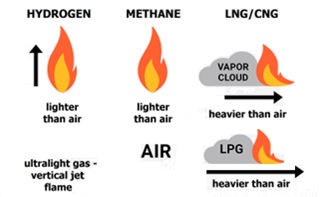
Figure 1. Flame Propagation Directions During Fires, Based on Fuel Type
By the identified risks, the design of refueling stations must incorporate the precise definition of safety zones and separation distances.
iv. Defining Safety Distances and Zoning
In the absence of clearly defined regulatory frameworks, the design of refueling stations is based on the principles of a consequence-based approach. This methodological model classifies hazardous zones according to the consequences of a potential incident, rather than its probability. The focus is placed on the characteristics of flammable substance leakage – including dispersion range, duration of presence, and the associated risk level. [23]
For liquid fuels such as gasoline and diesel, the consequence-based method assumes leakage through an opening equivalent to approximately 10% of the pipe’s inner diameter, according to DSEAR [24] and IEC 60079 recommendations [25]. This assumption provides a conservative basis for zoning consistent with the ATEX directive. For alternative fuels, calculations typically assume a leakage aperture diameter of 1 – 2 mm.
A detailed overview is presented in Table 4.
Table 4. Consequence-Based Zoning of Refueling Stations
| Fuel Type | Physical State / Storage Regime | Leakage Projection | Relevant Standards | Typical Functional Zones |
| Hydrogen (H₂) | Gas – compressed (CGH₂) or liquefied (LH₂) | Ø 1 – 2 mm aperture | ISO 21287, NFPA 2, IEC 60079 | Zone 1 (direct vicinity), Zone 2 |
| CNG (VNG) | High-pressure gas (200–250 bar) | Ø 1 mm aperture | ISO 16923, DSEAR, IEC 60079 | Zone 1 (extended vicinity), Zone 2 |
| LNG | Liquefied natural gas (−162 °C) | Ø 1 – 2 mm + evaporation rate | ISO 16924, NFPA 59A, IEC 60079 | Zone 1 (evaporation area), Zone 2 |
| LPG | Pressurized liquid, highly volatile | Ø 1 mm or 10% pipe diameter | EN 14678, ISO 20560, DSEAR, IEC 60079 | Zone 1 (low points), Zone 2 |
| Gasoline/Diesel | Liquid fuels | 10% of the pipe’s inner diameter | DSEAR, IEC 60079, ATEX Directive | Zone 1 (filling/leakage point), Zone 2 |
Zone Definitions:
– Zone 1: Explosive atmosphere present intermittently during normal operation.
– Zone 2: Explosive atmosphere present rarely and briefly.
Based on the consequence-based approach and available standards (ISO 21287, NFPA 2, EN 16942, DSEAR, IEC 60079), a three-zone model for refueling stations can be defined, tailored to specific fuel types — as shown in Table 5.
Table 5. Zoning by Fuel Type and Operational Regimes
| Fuel Type | Basic Design Event (BPE) | Public Access Zone | Restricted Personnel Zone | Temporary Occupancy Points |
| Gasoline / Diesel | Hose or connector leakage | ≥ 3 m from dispenser | 1 – 3 m from dispenser | 3 – 5 m, with visual supervision |
| LPG | Ø 1 mm under pressure (EN 60079) | ≥ 5 m from storage tank | 2 – 5 m, with ventilation | 5 – 7 m, no terrain depression |
| CNG | Ø 1 mm under pressure (IGE SR25) | ≥ 5 m from the compressor | 2 – 5 m, with sensors | 5 – 8 m, with physical barriers |
| LNG | Ø 2 mm cryogenic leakage (SGMF) | ≥ 8 m from storage tank | 3 – 8 m, with ESD system | 8 – 12 m, no liquid pooling |
| Hydrogen (H₂) | Ø 1 – 2 mm (ISO 21287 / NFPA 2) | ≥ 10 m from dispenser | 5 – 10 m, with active monitoring | 10 – 15 m, free of obstructions |
| Electric Drive | Thermal runaway/battery fire | ≥ 3 m between vehicles | 1 – 3 m, with containment barriers | 3 – 6 m, with smoke detection |
Zoning Guidance Notes:
– Public Access Zone: Must remain clear of direct exposure to leaks, flames, or explosive atmospheres.
– Restricted Personnel Zone: Accessible only to trained operators with protective equipment and supervision.
– Temporary Occupancy Point: Areas for brief user presence (e.g., waiting rooms, info panels) without direct equipment contact.
A detailed graphical depiction of zoning configurations for various fuels is provided in Figure 2.
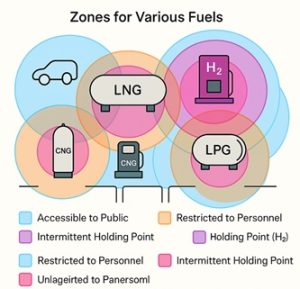
Figure 2. Zoning Around Critical Areas in Refueling Stations
b. Safety Barriers and Technological Protection Measures
In the absence of precise regulatory frameworks, the safety architecture of refueling stations is designed following the consequence-based approach. This methodological model classifies hazardous zones based on the potential impact of an incident, rather than its probability of occurrence. Attention is focused on the effects of flammable substance leakage, namely, how far such substances may spread, how long they may persist, and the level of hazard they pose.
Accordingly, functional safety barriers are implemented, encompassing:
– Gas detection systems;
– Automatic fueling shutdown mechanisms;
– Overfill protection, and
– Structural elements are resistant to explosive events.
Emphasis is placed on the spatial requirements for hydrogen handling, which necessitate precisely defined geometric zoning to ensure operational safety.
i. Leak Detection with Automated Responses
Flammable gas detectors are strategically located in areas surrounding connectors, valves, and pipelines. Point sensors provide localized detection, while line-type detectors extend along the length of the installations. In broader areas, infrared open-path sensors are deployed to detect the presence of gas clouds.
Upon detection, the system automatically initiates emergency shutdown procedures via Emergency Shut-Down (ESD) valves, while the alarm system notifies users. All responses are recorded within the Supervisory Control and Data Acquisition (SCADA) system, ensuring real-time accessibility for operators.
The SCADA system [26] is fully integrated with Human-Machine Interface (HMI) platforms, enabling intuitive visualization, control, and real-time diagnostics. Operators can monitor critical parameters, acknowledge alerts, and initiate override procedures through ergonomic and context-sensitive displays. The system architecture ensures data redundancy and supports tiered access levels, facilitating both local interventions and remote supervision under unified protocols.
To complement the description of leak detection mechanisms and automated system responses, Table 6 presents an overview of sensor types, their typical applications, automatic reaction protocols, and corresponding technical standards.
Table 6. Sensor Technologies and Functional Responses
| Sensor Technology | Application | Automated Responses | Relevant Standards |
| Point-type (electrochemical) | Connectors and valves | ESD valve activation + audible/visual alarm | IEC 60079-29-1, NFPA 2 |
| Line-type (conductivity change) | Along pipeline installations | SCADA alert activation | ISO 21287, DSEAR |
| Open-path infrared detector | Broad area monitoring | Operator notification, possible shutdown | IEC 60079, NFPA 2 |
ii. Overfill Protection System
Fuel tanks are equipped with multi-layered systems designed to prevent overfilling. The primary level consists of mechanical float devices that activate upon reaching a predefined fill threshold. The secondary layer employs ultrasonic or radar-based probes for precise level detection. The tertiary safety layer includes automated filling shutdown mechanisms and alarm activation procedures.
These systems are frequently connected to the centralized control platform to support both operational oversight and event logging.
To supplement this description, Table 7 outlines the detection technologies, corresponding system reactions, and relevant standards.
Table 7. Level Detection and Overfill Prevention System
| Protection Layer | Technology | System Response | Standards |
| Primary | Mechanical float devices | Valve shut off | EN 13922, ISO 6551 |
| Secondary | Ultrasonic/Radar probes | Accurate detection + SCADA integration | EN 16924, API 2206 |
| Tertiary | Electronic switch | Alarm activation + ESD trigger | DSEAR, ATEX Directive |
iii. Mechanical and Structural Protection
Physical safety barriers at refueling stations include break-resistant joints, explosion relief valves, and walls engineered to redirect pressure waves and flame propagation. Breakaway couplings prevent mechanical damage in scenarios where a user unintentionally drives away while still connected. Tanks are fitted with pressure-relief membranes, allowing for controlled depressurization, while protective barrier walls mitigate the effects of potential explosive events in surrounding areas. These structural measures are complemented by material reinforcement strategies and passive containment zones designed to reduce escalation. Additionally, critical components are positioned with calculated spacing to minimize hazard cross-propagation between adjacent modules.
To support this overview, Table 8 presents the key mechanical components, their roles, and relevant international standards.
Table 8. Mechanical Protection Components
| Component | Function | Relevant Standards |
| Breakaway couplings | Automatic hose detachment under tensile strain | ISO 19880-1 (H₂), EN 14678 (LPG) |
| Explosion relief valves | Pressure release from fuel tanks | API 620, AD 2000-Merkblatt |
| Blast-resistant walls | Deflection of pressure waves and flame fronts | EN 1991-1-7 |
iv. Special Geometries of Hazard Zones During Hydrogen Refueling
Hydrogen refueling requires precise spatial organization. The immediate hazard zone is defined by a radius of 1.5 meters around the refueling nozzle, while the wider zone may extend up to 3 meters depending on ventilation conditions (see Table 9). Canopy structures are designed to facilitate vertical airflow without horizontal barriers that could retain flammable atmospheres. Metal grilles or perforated panels, up to a height of 2 meters, can be used to accelerate the dispersion of a hydrogen cloud.
Physical markings, LED rings, and visual indicators ensure clear delineation of the safety zone.
Table 9. Geometric and Spatial Measures During Hydrogen Refueling
| Hazard Zone | Spatial Extent | Construction Measures | Relevant Standards |
| Immediate (Zone 1) | Radius ≥ 1.5 m | Canopies without horizontal obstructions | ISO 19880-1, NFPA 2 |
| Secondary (Zone 2) | Up to 3 m | Grilles, LED signalling, and visual markings | IEC 60079, ATEX Directive |
4. Standards and Safety Regulations – International Imbalance
In the preceding analysis, key standards regarding the zoning and safety measures of refueling stations were identified. The following section examines how these standards and regulatory requirements differ across countries, why such fragmentation hampers industrial implementation, and what challenges arise from the imbalance between the pace of regulatory development and the industry’s capacity to adapt.
a. Differences in Regulations Between Countries
Significant divergences in the technical and legal frameworks governing refueling stations reflect the complexity of the global regulatory landscape and the absence of universal harmonization in defining safety parameters. These disparities are not merely theoretical — they impact risk assessment procedures, influence equipment procurement, and complicate cross-border infrastructure projects.
The regulation of gas and liquid fuel supply systems worldwide relies on differing sets of standards, often with considerable variations in:
– designated hazardous zones (e.g., Zone 1/Zone 2 radii);
– project-specific leak scenarios (Ø 1 mm vs. 10% of pipe diameter);
– final equipment requirements (ATEX categories 2/3 vs. Class I Division 1/2).
Table 10 presents the regulatory distinctions for selected countries and regional groupings.
Table 10. Regulatory Differences in Gas Refueling Standards
| Region/Country | Key Regulatory Frameworks | Zoning Principle | Specific Distinctions |
| European Union | ATEX (2014/34/EU), PED; ISO, EN standards | Zone 1/Zone 2 (leak effect without probability consideration) | Mandatory expert documentation, stringent risk control |
| United States | NFPA 2, NFPA 55; API standards | Class I, Div 1/2 (based on likelihood of flammable atmosphere) | Multiple hazard categories, more flexible approach |
| Japan | JIS standards package; METI guidelines | Zones 1/2 (similar to ATEX, but radii may be larger) | Greater deviations in the geometry of protective barriers |
| China | GB standards (GB 5100, GB/T 37244) | Zones I/II (hybrid ATEX and IEC approach) | Modelled leak tolerance varies up to ±20% |
| Australia / New Zealand | AS/NZS 60079; AS/NZS 60079.10.1 | Zones 1/2 (aligned with IEC) | Local requirements for seismic resistance of structures |
b. Examples of Regulatory Misalignment
Numerous discrepancies exist in the design standards for refueling stations worldwide. Some of the most notable include:
- Hydrogen Stations
The European Union mandates a clearly defined Zone 1 radius of ≥ 1.5 meters. In the United States, the corresponding classification (Class I Division 1) permits radii as small as 0.6–1 meter, combined with stricter probability-based leak control protocols.
- LPG and CNG
In the EU, project-specific leak scenarios typically assume an opening of Ø 1 mm or 10% of the pipe diameter. In contrast, U.S. practices frequently adopt Ø 0.5 mm as the design reference. This difference affects the scale and geometry of hazardous zones, and equipment certified under the ATEX directive often fails to meet NFPA standards without supplementary testing.
- LNG
Japanese regulations allow a broader range of evaporation rates and accordingly prescribe Zone 1 radii up to 4 meters. The EU and U.S. frameworks generally remain within the 2 – 3-meter range, with critical emphasis placed on cryogenic hazard zones.
These misalignments hinder equipment standardization for developers and manufacturers, increase certification costs, and delay the deployment of technological innovations.
c. Technical Fragmentation – Sustainable Without Unified Standards?
Divergent approaches to zoning and facility design result in:
– Multiple versions of pumps, valves, and sensors tailored for each regional market
– Complex re-certification procedures when expanding operations into new geographic areas
– A slowdown in technological advancement due to the rising costs of testing and documentation
In the long term, fragmentation proves unsustainable because:
– Equipment becomes overly specialized, increasing the likelihood of technical errors during adaptation.
– The introduction of each new standard raises both development costs and timelines, discouraging innovations, especially among small enterprises.
– Global supply chains demand unified specifications and managing multiple documentation sets complicates logistics and manufacturing efficiency.
d. Regulatory Policy
Regulatory agencies typically revise standards on a 3 – 5-year cycle, while the industry, from initial design of a new refueling station to final certification, may require 2 – 3 years per project. This mismatch in pacing creates two critical risks:
– Regulatory lag: Emerging technologies, such as 700 bar CGH₂ pumps, often fall outside the scope of existing frameworks, creating gaps in legal coverage.
– Industrial divergence: Companies develop solutions beyond the bounds of current legislation to remain competitive, exposing themselves to potential legal consequences.
The central challenge is to establish mechanisms for accelerated review and pilot testing, such as “regulatory sandboxes”, that would enable:
– Development of innovative solutions
– Regulatory alignment without compromising safety
– Real-time harmonization of global and local standards.
Conclusion
The modern refueling station is not merely a technical facility; it represents a nexus of high-risk infrastructure whose design and certification demand a deliberate synergy between engineering innovation and regulatory frameworks. This paper demonstrates that a consequence-based approach to zoning, focused on potential incident outcomes, provides a more consistent foundation for risk assessment than probability-driven methodologies.
Analysis of current international standards, including IEC 60079, ATEX, and DSEAR, reveals a lack of harmonization, which complicates cross-border implementation and creates barriers to technological innovation.
The integration of SCADA systems, leak detectors, emergency shutoff valves, and mechanical barriers should be normative rather than optional design components. Hydrogen refueling requires strict geometric standards, while LNG and CNG infrastructure necessitate additional protective layers such as thermal insulation and safety zoning.
The observed regulatory fragmentation underscores the need to define a universal minimum set of technical requirements that ensures a development environment rooted in demonstrable safety.
Regulatory policy must keep pace with technological development through flexible testing models, such as regulatory sandboxes, that enable the controlled evaluation of emerging innovations.
Refueling stations, as vital nodes in energy transition, must be the product of deliberate precision—not improvisation. Every component should be designed and verified according to consistent criteria.
Recommendations for future research may be grouped into the following categories:
– Real-time incident simulations: Development of dynamic models for leak propagation and flame spread, calibrated for different fuel types.
– Experimental thermal analyses: Use of infrared technologies and simulation software to model temperature gradients under incident conditions.
– Fire service readiness evaluations: Standardization of training protocols based on real-world scenarios, incorporating local infrastructure and high-risk conditions.
– Mapping global regulatory disparities: Detailed analysis of inter-jurisdictional differences to identify harmonization targets and systemic solutions.
– Formulation of universal technical frameworks: A multidisciplinary initiative to define baseline standards adoptable across jurisdictions.
– Development of precision-based zoning methodologies: Integration of engineering parameters with philosophical design thinking as a novel paradigm for refueling station architecture.
REFERENCES
[1] EUROSTAT, Natural gas price statistics, Eurostat, 04 2025. [Online]. Available: https://ec.europa.eu/eurostat/statistics-explained/index.php?title=natural_gas_price_statistics. [Accessed 23 7 2025.
[2] TANJUG, TTF BERZA: Cene prirodnog gasa u Evropi između 39 i 40 evra za megavat sat, naslovi.net, 24 4 2023. [Online]. Available: https://naslovi.net/2023-04-24/euronews/ttf-berza-cene-prirodnog-gasa-u-evropi-izmedju-39-i-40-evra-za-megavat-sat/33299469. [Accessed 23 7 2025].
[3] TRADING ECONOMICS, “EU Natural Gas TTF,” Trading Economics, 23 7 2025. [Online]. Available: https://tradingeconomics.com/commodity/eu-natural-gas. [Accessed 23 7 2025].
[4] GLOBALPETROLPRICES, Nemačka Cene benzina, 21-jul-2025, GlobalPetrolPrices, 21 07 2025. [Online]. Available: https://srb.globalpetrolprices.com/Germany/gasoline_prices/. [Accessed 23 07 2025].
[5] GLOBALPETROLPRICES, Bugarska Cene benzina, 21-jul-2025, GlobalPetrolPrices, 21 07 2025. [Online]. Available: https://srb.globalpetrolprices.com/Bulgaria/gasoline_prices/. [Accessed 23 07 2025].
[6] NAFTA. HR, Cene goriva Srbija, nafta.hr, 23 07 2025. [Online]. Available: https://nafta.hr/sr/cene-goriva-srbija/. [Accessed 23 07 2025].
[7] NATO se priprema za rat sa Rusijom, The Geopost, 09 06 2025. [Online]. Available: https://thegeopost.com/sr/analize/nato-se-priprema-za-rat-sa-rusijom/. [Accessed 23 07 2025].
[8] EUROPEAN HYDROGEN OBSERVATORY, Alternative Fuels Infrastructure Regulation, 20 6 2025. [Online]. Available: https://observatory.clean-hydrogen.europa.eu/eu-policy/alternative-fuels-infrastructure-regulation. [Accessed 26 07 2025].
[9] ISO, Natural gas fuelling stations – CNG stations for fuelling vehicles (ISO 16923:2016), 25 6 2018. [Online]. Available: https://iss.rs/en/project/show/iss:proj:63038. [Accessed 26 7 2025].
[10] SO, SRPS EN ISO 16924:2018, 25 6 2018. [Online]. Available: https://iss.rs/sr_Cyrl/project/show/iss:proj:63039. [Accessed 26 7 2025].
[11] KRUMM, R., Destination 2050: NFPA 2 – v2023 Hydrogen Facilities, 23-25 01 2024. [Online]. Available: https://content-cdn.sessionboard.com/content/eKtMj4MNSd66pkefjFWs_POWERGEN%202024%20 NFPA%202%20Presentation_POWER%20Engineers.pdf. [Accessed 26 7 2025].
[12] SRPS EN, SRPS EN 14678-1:2013, 29 11 2013. [Online]. Available: https://iss.rs /en/project/show/iss:proj:
- [Accessed 26 7 2025].
[13] JARAMILLO, P., KAHN RIBEIRO, S., NEWMAN, P., DHAR, O. D. S., KAJINO, T., LEE, D., NUGROHO, S., OU, X., HAMMER STRØMMAN, A., WHITEHEAD, J., Transport, in IPCC, Climate Change 2022: Mitigation of Climate Change, Cambridge, Cambridge University Press, 2022.
[14] RITCHIE, H., Cars, planes, trains: where do CO2 emissions from transport come from?, OurWorldinData.org, 2020. [Online]. Available: https://ourworldindata.org/co2-emissions-from-transport. [Accessed 24 7 2025].
[15] EEA, Greenhouse gas emissions from transport in Europe, European Environment Agency, 31 10 2024. [Online]. Available: https://www.eea.europa.eu/en/analysis/indicators/greenhouse-gas-emissions-from-transport. [Accessed 24 7 2025].
[16] EEA, NOx Contribution to EU-27 Emissions from Main Source Sectors in 2022, European Environmental Agency, 7 7 2025. [Online]. Available: https://www.fuelseurope.eu/uploads/files/modules/ documents/file/1751961340_bPyBepx28OuyBLbBWzAzWCbNwu7iZnI63vwtapLI.pdf. [Accessed 24 7 2025].
[17] TISEO, I., PM2.5 particulate matter emissions from transportation in the European Union (EU-27) from 2000 to 2022, Statista, 23 07 2025. [Online]. Available: https://www.statista.com/statistics/1237395 /transportation-pm25-emissions-european-union-eu-28/. [Accessed 24 7 2025].
[18] NILSSON, E. J. K., SAHLBERG, A.-L., WILKENS FLECKNOE-BROWN, K., RUNEFORS, M., Flammable and Toxic Gases from Batteries in Thermal Runaway: Consequences and mitigation, Lund University, 45 p., 2025. Available: https://lucris.lub.lu.se/ws/portalfiles/portal/220474262/Battery_review-v7.pdf [Accessed 26 7 2025].
[19] GÄSTGIVARS, K., Instrumentation and control optimization of a standard pressurized LNG satellite terminal, 18 3 2020. [Online]. Available: https://www.doria.fi/bitstream/handle/10024/177100/ gastgivars_kim.pdf. [Accessed 26 7 2025].
[20] CEKEREVAC, Z., DVORAK, Z., CEKEREVAC, D., Logistical Challenges in Hydrogen Supply Chain for Automotive Applications MEST Journal – SP FBIM Transactions, vol. 13, no. SP, pp. 49 – 65, 15 April 2025, DOI: 10.12709/mest.13.13.SP.03.
[21] GEHANDLER, J., LÖNNERMARK, A., CNG vehicle containers exposed to local fires, Tunnel and Underground Safety Center, Boras, 2019, ISBN: 978-91-89049-73-4.
[22] SALZANO, E., About the Vapour Cloud Explosion of LNG, in Conference on Safety of LNG supply at ports areas, Athens, 2019.
[23] LI. Z., PAN, X., MA, J., Consequence-based Safety Distances and Mitigation Measures for Gaseous Hydrogen Refueling Stations, World Electric Vehicle Journal, vol. 4, no. 4, pp. 897 – 905, 2010, https://doi.org/10.3390/wevj4040897.
[24] HSE, DSEAR in detail, 24 10 2024. [Online]. Available: https://www.hse.gov.uk/fireandexplosion/dsear.htm. [Accessed 26 07 2025].
[25] IEC 60079, Standards, 2017. [Online]. Available: https://www.iecex.com/resources-and-news/standards/. [Accessed 26 07 2025].
[26] AVEVA, SCADA – Supervisory Control and Data Acquisition Software & Solutions, AVEVA, [Online]. Available: https://www.aveva.com/en/solutions/operations/scada/. [Accessed 28 6 2025].
Prof. Dr. Zoran Čekerevac, Dr. h. c.
ORCID iD: 0000-0003-2972-2472
MESTE – Belgrade
33, Knez Mihailova
Belgrade, Serbia
E-mail: zoran@cekerevac.eu
Prof. Dr. Lyudmila Prigoda
ORCID iD: 0000-0002-4762-3892
FSBEI HE Maikop State Technological University
191, Pervomayskaya St.
Maykop, Russia
E-mail: lv_prigoda@mail.ru
Dr. Milanka Bogavac, Assist. Prof.
ORCID iD: 0000-0003-4252-6919
Independent researcher
PPUTŠ, 33, Knez Mihailova
Belgrade
E-mail: bogavac.milanka@gmail.com

Свързани статии:
 Analysis of the Average Speeds of Passenger Trains in Bulgaria on the Main Railway Routes, according to the Annual Train Schedule for 2025
Classification and Evaluation of Methods for Determining Railway Infrastructure Capacity
The Place and Role of AI in Transport Systems Management
Implementation of Sustainable Indicators for Effective Evaluation and Monitoring of Transport Projects
Analysis of the Average Speeds of Passenger Trains in Bulgaria on the Main Railway Routes, according to the Annual Train Schedule for 2025
Classification and Evaluation of Methods for Determining Railway Infrastructure Capacity
The Place and Role of AI in Transport Systems Management
Implementation of Sustainable Indicators for Effective Evaluation and Monitoring of Transport Projects